
I remember the first time I saw it. Scrolling through Snapchat late one night, checking my streaks like the slightly obsessed person I am, a friend’s profile with this glowing “Best Friends” badge. Tap it, and boom—there I was, orbiting as a little planet in their solar system. It hit me harder than it probably should have. These Snapchat best friends list planets aren’t just cute emojis; they’re a brutally honest mirror of who you actually talk to the most.
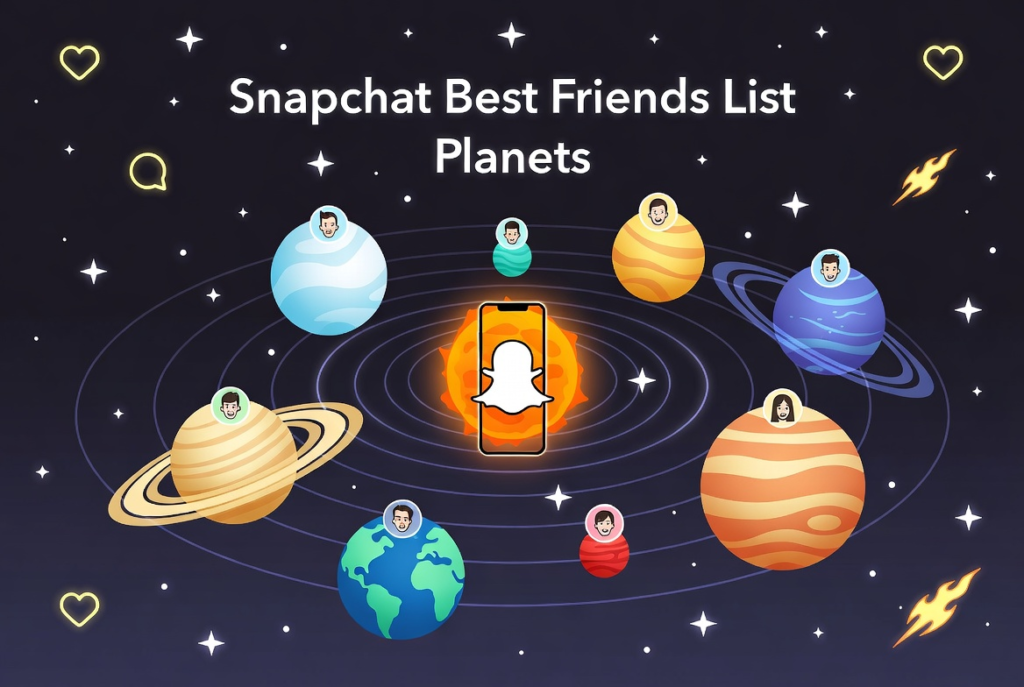
If you’re a Snapchat+ subscriber, you’ve probably encountered this feature. It turns your top eight friends into a miniature solar system with you as the sun. Mercury for your ride-or-die, all the way out to Neptune for that person you snap with just enough to stay in orbit. It’s fun, a little addictive, and weirdly insightful about modern friendships in the digital age. In this article, we’re diving deep into what these Snapchat best friends list planets really mean, why they matter more than we admit, and how to navigate the emotions—and strategy—they bring up.
The Birth of Snapchat’s Cosmic Friendship Ranking
Snapchat has always been about fleeting moments and real connections hidden behind streaks and silly filters. But the Friend Solar System took it to another level. Available exclusively to Snapchat+ users, this feature visualizes your best friends list as planets, each position reflecting interaction volume—snaps sent, chats exchanged, stories viewed, and the works.
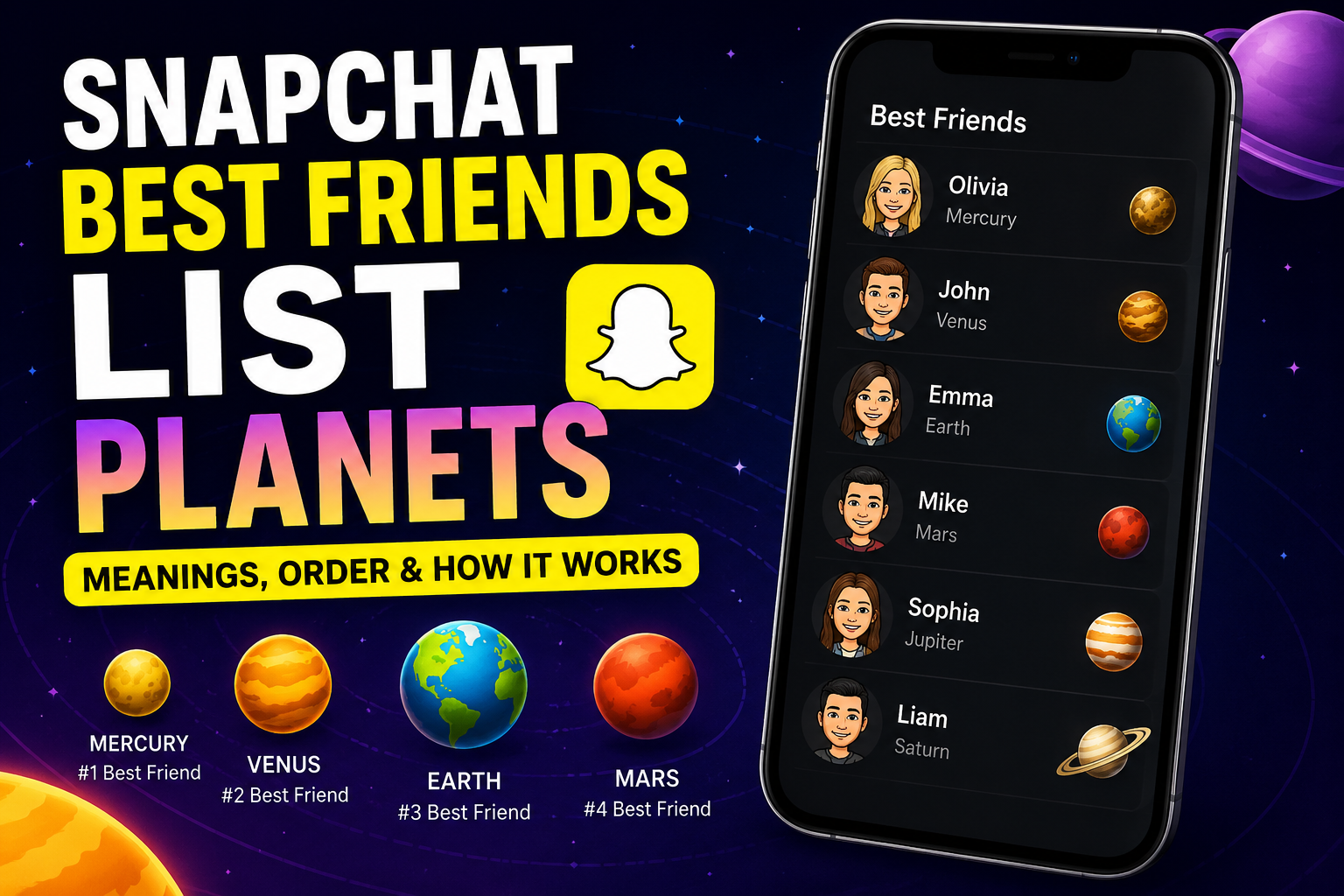
It’s not random. The algorithm quietly tracks your activity and slots people into positions. Mercury sits closest to the sun (you), representing your #1 best friend. Then Venus, Earth, Mars, and so on, out to Neptune as #8. No Pluto here—sorry, dwarf planet fans. The visual is charming: colorful little worlds with your friends’ Bitmojis spinning around.
I’ve had friends message me in a panic: “Why am I Saturn now?” or “You’re my Mercury again—yay!” It sparks conversations that plain old best friends lists never did. These Snapchat best friends list planets force a level of transparency that feels both refreshing and slightly terrifying.
Decoding Each Planet: What Your Position Really Says
Let’s break it down planet by planet, because understanding the Snapchat best friends list planets helps you read between the digital lines.
Mercury – The Closest Orbit If you’re someone’s Mercury, congratulations. You’re their top priority on Snapchat. This is the person you snap daily, share inside jokes with, and probably have the longest streak with. It’s not just volume; it’s consistency. Being Mercury feels like winning a quiet award for being indispensable in someone’s daily scroll. But it comes with pressure—miss a few days, and you might slip to Venus faster than you think.
Venus – The Warm Second Place. Venus’ friends are incredibly close but just a notch below. Maybe you send voice notes instead of quick pics, or you’re the one they turn to for advice. It’s a strong, reliable spot. I’ve been Venus to friends who travel a lot; we don’t snap every hour, but the connection runs deep when we do.
Earth – Solid and Grounded Earth represents a balanced, everyday friendship. You’re active, react to each other’s stories, and keep the conversation flowing naturally. It’s the sweet spot for many long-term friends—comfortable, present, and not overly intense.
Mars – Fiery but Distant Mars is for those energetic connections that flare up with bursts of snaps—maybe group chats or event planning—but don’t sustain daily contact. Think college buddies or work friends you vibe with hard when you do talk.
Jupiter, Saturn, Uranus, Neptune – The Outer Orbit.s These are the “still matt, er but life gets busy” friends. Jupiter might be your fifth, someone you check in with weekly. By Neptune, interactions are lighter—perhaps a streak keeper or a fun acquaintance whose snaps brighten your day without demanding much emotional bandwidth.
The beauty (and occasional sting) of Snapchat best friends list planets is how fluid they are. Life changes—new jobs, moves, relationships—and your solar system shifts accordingly. That’s not a bug; it’s a feature reflecting reality.
Why This Feature Hits Different: The Psychology Behind It
Here’s where it gets human. We all crave connection, but quantifying it with planets adds a layer of gamification that can mess with your head. I’ve seen it spark genuine joy when someone climbs back into your inner orbit and quiet disappointment when they drift outward.
One friend told me she realized her long-distance bestie had dropped to Jupiter after she got a new roommate. It wasn’t about less love; it was about proximity and daily habits. These Snapchat best friends list planets highlight a truth we know but hate admitting: digital friendships thrive on consistent micro-interactions.
It also reveals imbalances. If you’re always someone’s Mercury but they’re your Neptune, it might be time for a real talk—or at least more intentional snapping. On the flip side, seeing a new friend rocket up your list can feel exciting, like discovering a kindred spirit in real time.
Practical Tips for Managing Your Snapchat Solar System
Don’t just watch your planets spin—use this insight.
- Boost a friendship intentionally: Want someone closer? Send more varied content—photos, videos, chats. Streaks help, but genuine variety keeps the algorithm happy.
- Protect your energy: It’s okay if not every friend is Mercury. Outer planets have their place too. Use the feature to notice who energizes you versus drains you.
- Privacy matters: Snapchat+ lets you toggle visibility. If you don’t want others peeking at your solar system, turn it off in settings.
- Group dynamics: In friend groups, watch how planets cluster. It can explain subtle shifts in group chats or who plans hangouts.
I once used my Snapchat best friends list planets to reconnect with an old friend who’d slipped to Saturn. A simple “miss snapping with you” message restarted the orbit beautifully. Small actions compound here.
Common Misconceptions and Pitfalls to Avoid
People often think these planets measure the depth of friendship. They don’t—not fully. They measure Snapchat activity. A best friend in real life might be your Neptune if they prefer texting or calls. That’s normal.
Another trap: obsessing over rankings. I’ve been there, refreshing profiles like a teenager. It’s easy to let it affect self-worth. Remember, the algorithm doesn’t capture coffee dates, deep talks, or support during tough times. Use Snapchat’s best friends list planets as a fun tool, not a friendship report card.
Also, new users or low-activity accounts might not see full solar systems right away. Give it time and consistent use.
Real Stories from the Snapchat Universe
Take Sarah, a marketing professional I chatted with. Her Mercury was her sister across the country. Despite busy schedules, they kept the top spot through quick daily updates. It strengthened their bond in a way constant calls might not have.
Or Mike, who noticed his coworker climbing his list during a big project. What started as Mars-level coordination turned into genuine friendship—planets reflected the evolving reality before they even named it.
These stories show how Snapchat’s best friends list planets can highlight connections worth nurturing or gently letting fade as seasons change.
Beyond the Planets: Building Friendships That Last
Ultimately, the solar system is a snapshot, not the full picture. Use it to spark more real-world moments. Plan a meetup with your Mercury. Send a thoughtful voice note to your Earth friend. Celebrate when someone new enters your orbit.
In a world of fleeting attention, this feature reminds us that connections need fuel. Consistent, light-hearted engagement keeps planets aligned.
The next time you tap that badge and see your Snapchat best friends list planets glowing back at you, smile. It’s a tiny digital map of your social universe—one that’s constantly evolving, just like us. Maybe send a snap to your current Mercury right now. You never know whose solar system you might light up today.