Parents who remember Yumble from Shark Tank often type the name into Google with one clear question in mind: Is the kids’ meal delivery service still around, and if not, what happened?
Yumble is no longer operating. The original ready-to-eat kids’ meal subscription shut down in late 2022. The brand name was briefly revived under new ownership with a different product (shelf-stable lunch kits), but that version also closed permanently in early 2024. Families looking for convenient, healthier meals for picky eaters now need alternatives.
Here’s the full story of Yumble, why it struggled despite early success, and the practical options that fill the same need today.
How Yumble Started and What It Offered
David and Joanna Parker launched Yumble in 2016 after struggling to get their own young children to eat nutritious food without constant battles. Joanna, a former early-childhood teacher, noticed other parents shared the same frustration. They began by cooking extra meals for local families and grew into a subscription service.
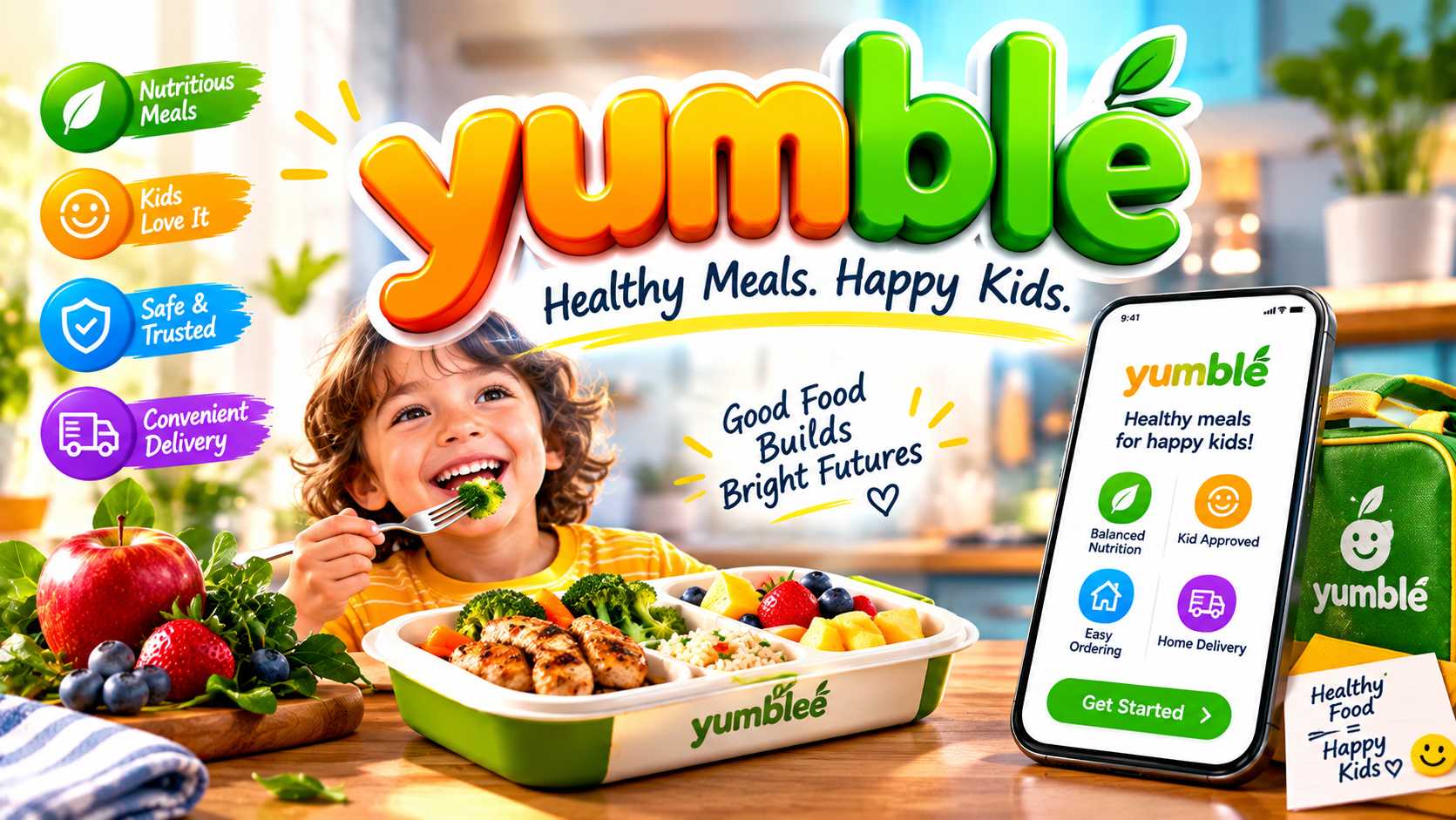
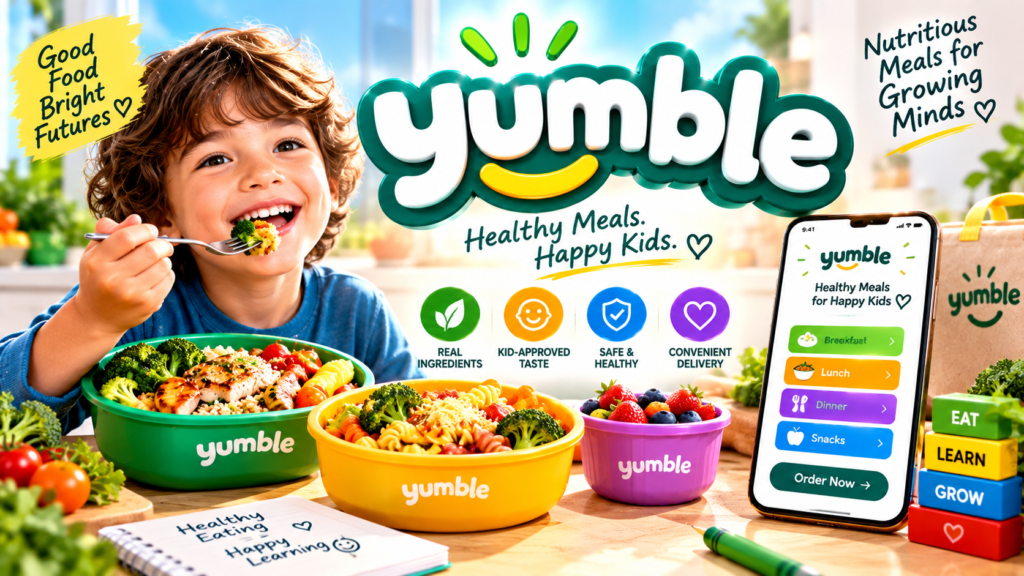
Yumble delivered fully cooked, refrigerated meals designed for kids roughly ages 1–12. Parents (and kids, via a child-friendly ordering interface) could choose from a rotating weekly menu of familiar but upgraded dishes—think mac and cheese with hidden vegetables, chicken “pops,” protein-rich pastas, and similar kid-friendly plates. Meals arrived in microwaveable trays that heated in about 90 seconds and could also be eaten cold. Boxes sometimes included stickers or small activities.
Pricing typically ranged from about $6–$8 per meal depending on plan size (commonly 6, 8, or 12 meals per week), with free shipping on larger orders. The service emphasized regionally sourced ingredients, balanced nutrition, and reducing the daily decision fatigue of packing school lunches or preparing weeknight dinners.
By the time the Parkers appeared on Shark Tank Season 10 (Episode 8) in 2018, they reported roughly $1.3 million in sales and strong monthly growth. They asked for $500,000 for 4% equity. Guest shark Bethenny Frankel offered a deal (reports vary slightly on the final equity percentage discussed). The on-air deal did not ultimately close in the form presented, but the exposure still boosted visibility.
What Happened After Shark Tank
Yumble continued operating and growing for several years after the episode aired. The company raised additional funding, expanded its delivery footprint beyond the East Coast, and reached reported annual revenue in the millions (around $8 million by mid-2022 in some accounts). It positioned itself as a solution for busy parents who wanted better options than processed frozen dinners or repetitive homemade meals for picky eaters.
In December 2022 the original company ceased operations and was acquired by Dibz Kidz. The new owners relaunched under the Yumble name in early 2023, but the product changed significantly. Instead of proprietary chef-prepared refrigerated meals, the offering shifted toward customizable shelf-stable lunch kits built from existing packaged brands (think Annie’s-style items, snacks, and sides). Some reports noted a partnership direction involving General Mills’ G-Works innovation group and limited retail availability, including Walmart.com at one point.
That version did not last. In early 2024 the company announced it was closing, citing a decision not to continue pursuing the brand. By mid-2024 the service was fully discontinued. The original founders were no longer involved after the 2022 sale. Joanna Parker has since focused on executive coaching for mothers in leadership roles.
The business faced the same pressures common in prepared-meal delivery: high logistics and packaging costs, competition from grocery prepared foods and larger meal-kit companies, customer acquisition expenses, and the challenge of keeping a subscription sticky when kids’ preferences change rapidly.
Why the Original Concept Resonated (and Where It Struggled)
Yumble solved a real pain point. Many parents want their children to eat more vegetables, protein, and whole foods without turning every meal into a negotiation. Giving kids some choice over the menu (a core part of the early model) helped reduce resistance. The heat-and-eat convenience fit dual-income or single-parent households with limited evening bandwidth.
Limitations included geographic coverage early on, the fact that meals were best eaten within a week (freezing was discouraged), and the premium price relative to grocery-store options. Subscription meal services in general have high churn; kids’ versions face the extra variable of changing tastes and growth spurts.
Practical Alternatives for Kids’ Meals Today
If you liked the idea of Yumble, several services still focus specifically on younger eaters. None is a perfect clone, but these address similar needs:
- Nurture Life: Frequently ranked highly for kids’ prepared meals. Offers fresh (not frozen) heat-and-eat plates, finger foods, and options spanning toddlers through school-age kids. Emphasis on vegetables in every meal, dietitian input, and allergen-aware choices. Good for picky eaters who need familiar formats with better nutrition.
- Little Spoon: Strong from baby purees through early childhood. Organic-focused, clean-label approach, with plates, snacks, and lunch options. Convenient for families with multiple age stages under one service.
- Other flexible options include family-oriented meal kits (HelloFresh, Home Chef) that have kid-tested recipes, or grocery prepared sections and simple batch-cooking systems if you prefer more control over ingredients and cost.
When choosing, consider age range, whether meals arrive fresh or frozen, dietary restrictions, shipping reliability in your area, and total cost including any fees. Most allow skipping weeks or canceling easily. Test a short subscription rather than committing long-term, since kids’ preferences shift.
Common Questions Parents Still Ask
Is Yumble still available anywhere?
No. Neither the original prepared-meal service nor the later shelf-stable lunch-kit version is operating as of 2024–2026. Old websites and social accounts are inactive or redirected.
Did the Shark Tank deal close?
An offer was made on air by Bethenny Frankel, but the deal as presented did not fully materialize in the expected form. The company continued independently for years afterward with other funding.
What made Yumble different from regular meal kits?
It was built specifically for children’s tastes and nutrition needs rather than adult diets or family cooking projects. Kids could participate in choosing meals, and the food arrived ready to heat with minimal effort.
Are there any leftover products or retail versions?
The brief Walmart and packaged-lunch phase ended with the 2024 closure. No ongoing retail line exists under the Yumble name.
What should I look for in a kids’ meal service now?
Prioritize clear ingredient lists, appropriate portion sizes by age, flexibility to pause, and real evidence that kids actually eat the food (reviews from parents of picky eaters are more useful than marketing claims). Cost per meal and shipping reliability matter for long-term use.
Final Takeaway
Yumble demonstrated strong demand for convenient, kid-focused prepared meals. Its trajectory—from kitchen experiment to Shark Tank exposure, multi-million-dollar revenue, acquisition, and eventual closure—shows both the opportunity and the operational difficulty of the category. For parents still searching for that same relief, current services like Nurture Life and Little Spoon offer updated versions of the core idea: better nutrition with less daily friction.
The original Yumble is gone, but the problem it tried to solve remains very real for many families. Choosing a current service (or a simpler homemade system) based on your child’s age, your schedule, and realistic budget will get you closer to the outcome the Parkers originally aimed for.