
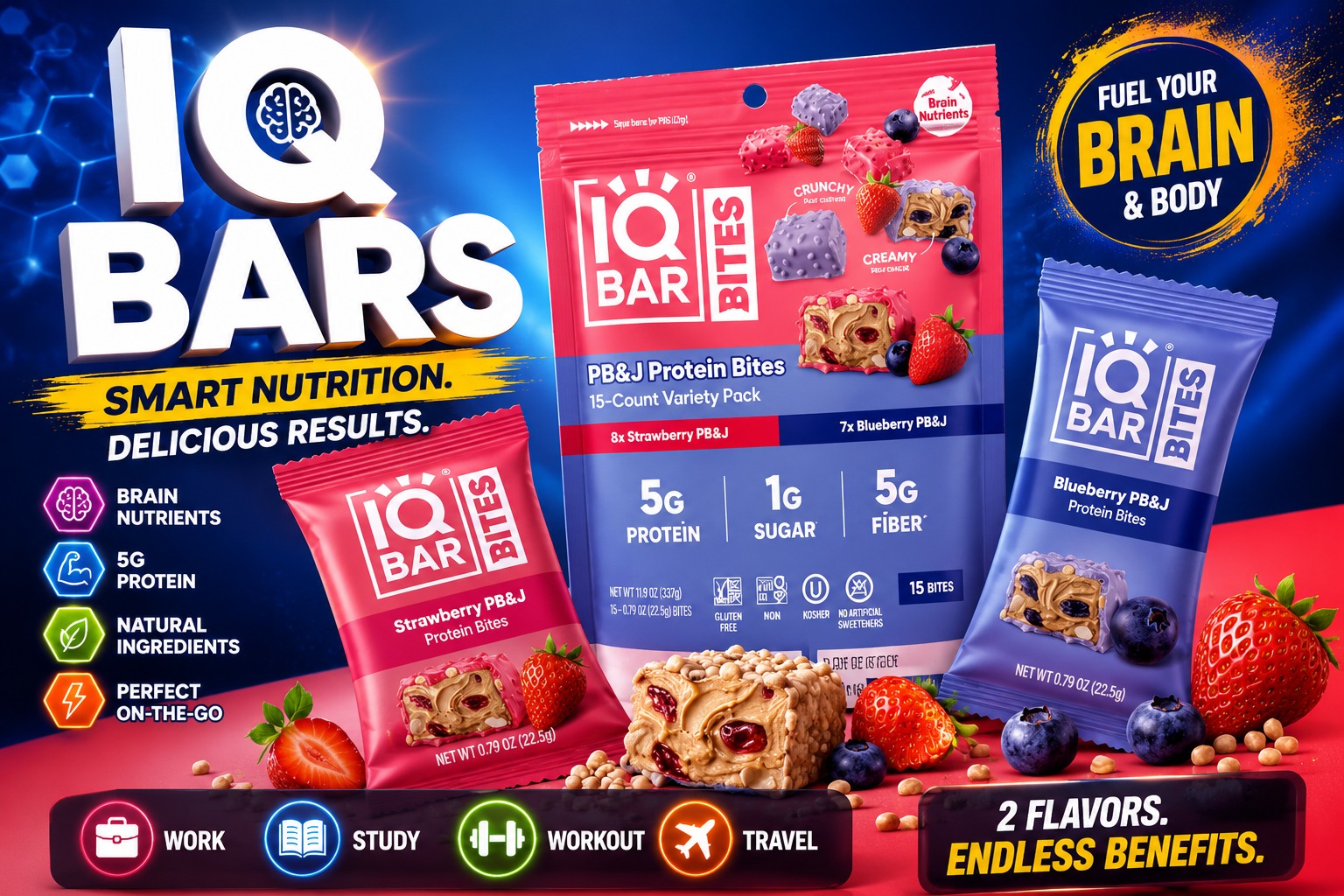
Last Tuesday I sat through back-to-back Zoom calls with a half-eaten granola bar in one hand and a foggy brain in the other. By 3 p.m. the sugar spike had already done its damage. I reached for something different from the desk drawer—an IQ Bar—and within twenty minutes the mental static settled. That small moment is why I keep writing about these bars. If you’ve ever felt your focus evaporate right when you needed it most, this piece is for you. You’ll walk away knowing exactly how IQ Bars work, when they shine, where they fall short, and how to make them part of a real daily routine instead of another half-used box in the pantry.
What Exactly Are IQ Bars?
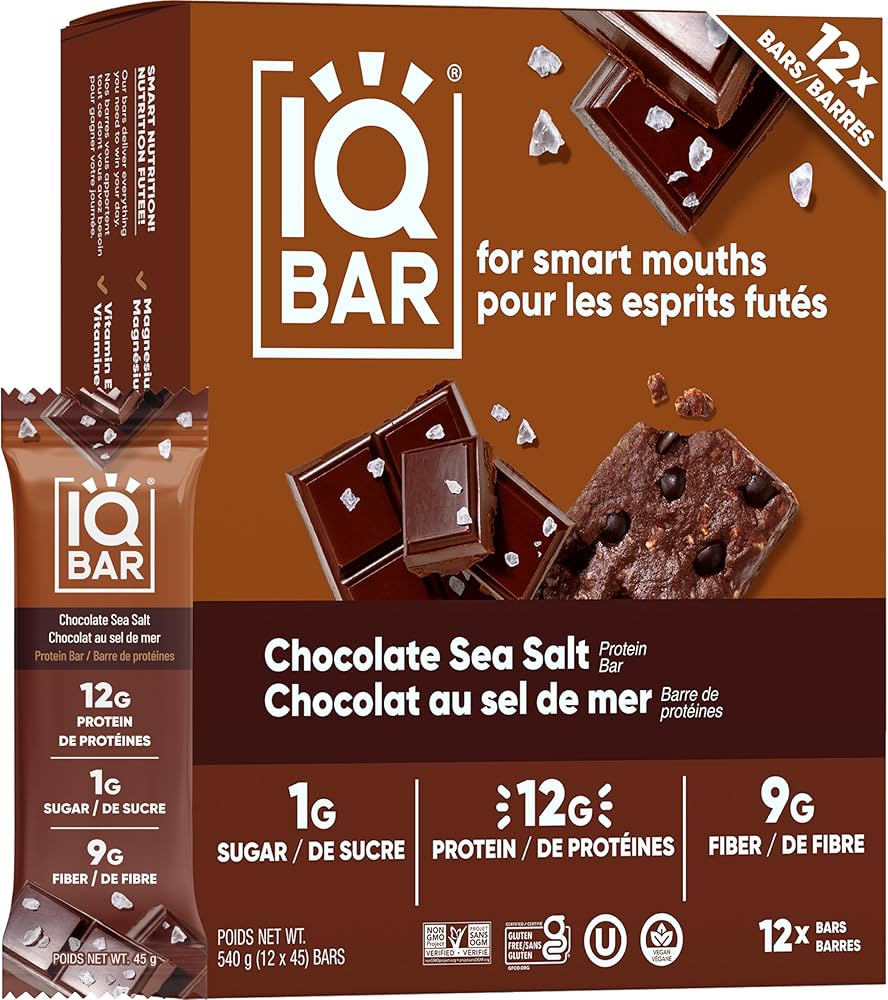
IQ Bars are plant-protein bars built around a simple idea that most snack brands ignore: the brain and body run on the same fuel. Each 45-gram bar delivers about 12 grams of complete plant protein, 1–2 grams of sugar, and only 2–3 grams of net carbs. The standout feature is the deliberate inclusion of five brain nutrients—magnesium, lion’s mane mushroom extract, MCTs, flavonoids, and vitamin E—chosen because research links them to cognitive function, steady energy, and mood regulation.
Founded by Will Nitze after he studied neuroscience and psychology, the brand started with the observation that conventional energy bars either spike blood sugar or lean too heavily on animal protein and fillers. IQ Bars aim to fix both problems at once. They are vegan, gluten-free, non-GMO, seed-oil-free, and compatible with keto and paleo-style eating. The texture sits somewhere between chewy and slightly crisp, depending on the flavor, and the ingredient lists stay short enough that you can actually pronounce most of what you’re eating.
The Brain Nutrients That Separate IQ Bars from the Rest
Most protein bars stop at macros. IQ Bars keep going. Magnesium supports neuron function and helps regulate the stress response. Lion’s mane has a growing body of evidence around nerve growth factor and mental clarity. MCTs offer a quick, ketogenic-style energy source that the brain can use efficiently. Flavonoids and vitamin E act as antioxidants that help manage inflammation, which quietly undermines focus over time.
None of these ingredients appear in heroic clinical doses inside a single bar. That matters. You’re not taking a full therapeutic serving of lion’s mane with every snack. What you are getting is consistent, daily exposure to compounds that many people otherwise have to chase through separate supplements. For someone who already eats well and wants an extra layer of cognitive support without swallowing five more pills, IQ Bars make practical sense.
I noticed the difference most clearly during long writing sessions. On days I reached for a conventional high-sugar bar, my attention would fragment after ninety minutes. On days I chose an IQ Bar, the afternoon dip felt milder. Correlation isn’t causation, but the pattern held across several weeks of casual tracking.
Real-World Scenarios Where IQ Bars Excel
Picture a morning when breakfast was rushed or skipped. An IQ Bar paired with black coffee keeps hunger quiet until lunch without the 10 a.m. crash. Pre-workout, the combination of plant protein and MCTs provides steady fuel that doesn’t sit heavy. Afternoon meetings or study blocks benefit from the low glycemic impact—your blood sugar stays relatively flat, so the urge to check your phone every four minutes softens.
Travel days are another sweet spot. Airport options are usually terrible. Tossing a couple of IQ Bars into a carry-on means you have something that won’t melt, doesn’t require refrigeration, and won’t leave you jittery from excess caffeine or sugar. Parents packing school lunches or office workers who hate the 4 p.m. vending machine pilgrimage find the same quiet reliability.
Flavor Landscape and Texture Reality Check
Flavors have expanded over the years. Chocolate Sea Salt remains a reliable favorite—rich without being cloying. Peanut Butter Chip and Almond Butter Chip deliver the nutty satisfaction many people crave. Lemon Blueberry and Banana Nut lean brighter. Toasted Coconut Chip and Matcha Chai offer more distinctive profiles. The recent collaboration with chef Thomas Keller produced a Salted Caramel Chip version that feels more dessert-like while still holding the core nutrition specs.
Texture is not identical across the line. Some bars feel denser; others have a slight crisp from protein pieces. None of them taste like cardboard, which is a higher bar than many “healthy” options clear. The sweetness comes primarily from allulose and stevia, so if you are extremely sensitive to those, you may notice a mild aftertaste. Most people adapt within a couple of days.
How IQ Bars Fit Different Eating Styles
Because the net carb count stays low and the protein is plant-based, IQ Bars work for keto, low-carb, vegan, and gluten-free diets without forcing compromises. Someone following a higher-carb athletic plan can still use them as a strategic snack rather than a primary calorie source. The fiber content (usually 6–9 grams) supports satiety and gut health without the bloating some people experience from sugar alcohols.
One practical tip: if you are new to higher-fiber bars, start with half a bar and drink water. Your system adjusts quickly, and the digestive side effects many people fear rarely materialize when intake is gradual.
Common Mistakes People Make with IQ Bars
The biggest mistake is treating them like candy. Because they taste good and the macros look clean, it’s easy to eat two or three in a row. At roughly 160–180 calories each, that adds up. Another error is expecting pharmaceutical-level cognitive effects. These are food first, functional second. They support clarity; they do not replace sleep, movement, or actual mental work.
Storage matters more than people realize. Keep them in a cool place. Heat can soften the texture and make the bars feel greasier. Rotating flavors prevents flavor fatigue, which is the silent killer of any healthy snack habit.
Comparing IQ Bars to Other Options on the Shelf
Traditional energy bars often rely on syrups and grains that spike glucose. High-protein whey bars can leave some people with digestive discomfort and still carry added sugars. Pure nut-and-seed bars sometimes lack enough protein to feel satisfying. IQ Bars sit in a useful middle ground: enough protein to blunt hunger, enough fat and fiber for steady energy, and those extra brain nutrients as a quiet differentiator.
They are not the cheapest option. A box of twelve usually costs more than mass-market bars. Whether the premium is worth it depends on how much you value the combination of clean ingredients and cognitive support. For me the math worked out once I stopped buying separate nootropics and mid-afternoon coffee shop snacks.
Building a Practical Routine Around IQ Bars
Start simple. Keep one in your bag, one in the desk drawer, and a small box at home. Use them as a bridge between meals rather than a meal replacement. Pair an IQ Bar with a piece of fruit or a handful of vegetables if you need more volume. On heavy training days, add it post-workout alongside a proper meal.
Track how you feel for two weeks. Note energy levels between 2–4 p.m., afternoon focus, and evening hunger. Most people who stick with the experiment notice fewer sharp dips. That data is more useful than any marketing claim.
The Broader Context of Functional Snacking
IQ Bars represent a larger shift. Consumers increasingly want food that does more than fill a hole. The rise of adaptogens, nootropics, and clean-label products shows people are paying attention to how snacks affect mood and cognition, not just macros. Brands that ignore that demand risk becoming background noise. IQ Bars lean into it without overpromising miracle results.
Will Nitze’s background in neuroscience shows in the formulation priorities. Instead of chasing every trend, the brand has stayed focused on a short list of ingredients with plausible mechanisms. That restraint is rare and, in my experience, more trustworthy than products that claim to solve twelve problems at once.
Potential Downsides Worth Acknowledging
Not every palate loves the texture. Some bars feel denser than expected. The sweetness level is intentionally restrained, so people coming from ultra-sweet conventional bars may need an adjustment period. Exact dosages of the brain nutrients are not listed at clinical levels, so if your goal is high-dose lion’s mane, a dedicated supplement still makes more sense.
Price can be a barrier for some households. Buying larger packs or using subscription options softens the cost, but it is still a premium product. Allergies to nuts or pea protein are obvious deal-breakers.
Long-Term Perspective After Months of Use
After incorporating IQ Bars into my routine for several months, the biggest change was consistency. I stopped reaching for whatever was convenient when energy dipped. That small behavioral shift compounded. Better afternoon focus meant better work output. Better work output reduced evening stress. The bars themselves did not create the improvement, but they removed one friction point that used to derail the day.
I still eat real meals. I still sleep and move. IQ Bars simply occupy a useful niche that few other snacks fill as cleanly.
Final Thoughts on Making IQ Bars Work for You
If you value steady energy, clean ingredients, and a modest cognitive edge in a convenient package, IQ Bars deserve a serious trial. Start with a variety pack so you can find the flavors that actually excite you. Pay attention to how your focus and hunger feel across the afternoon. Adjust quantity and timing based on real data from your own body rather than anyone else’s review.
The snack aisle is crowded with products that look healthy on the surface and collapse under closer inspection. IQ Bars stand out because the formulation follows a coherent logic: support the brain and body at the same time without the usual sugar or filler compromises. That logic has kept them in my rotation longer than most “functional” foods. Give them a fair shot and decide for yourself whether the difference is noticeable. For many of us, it is.