
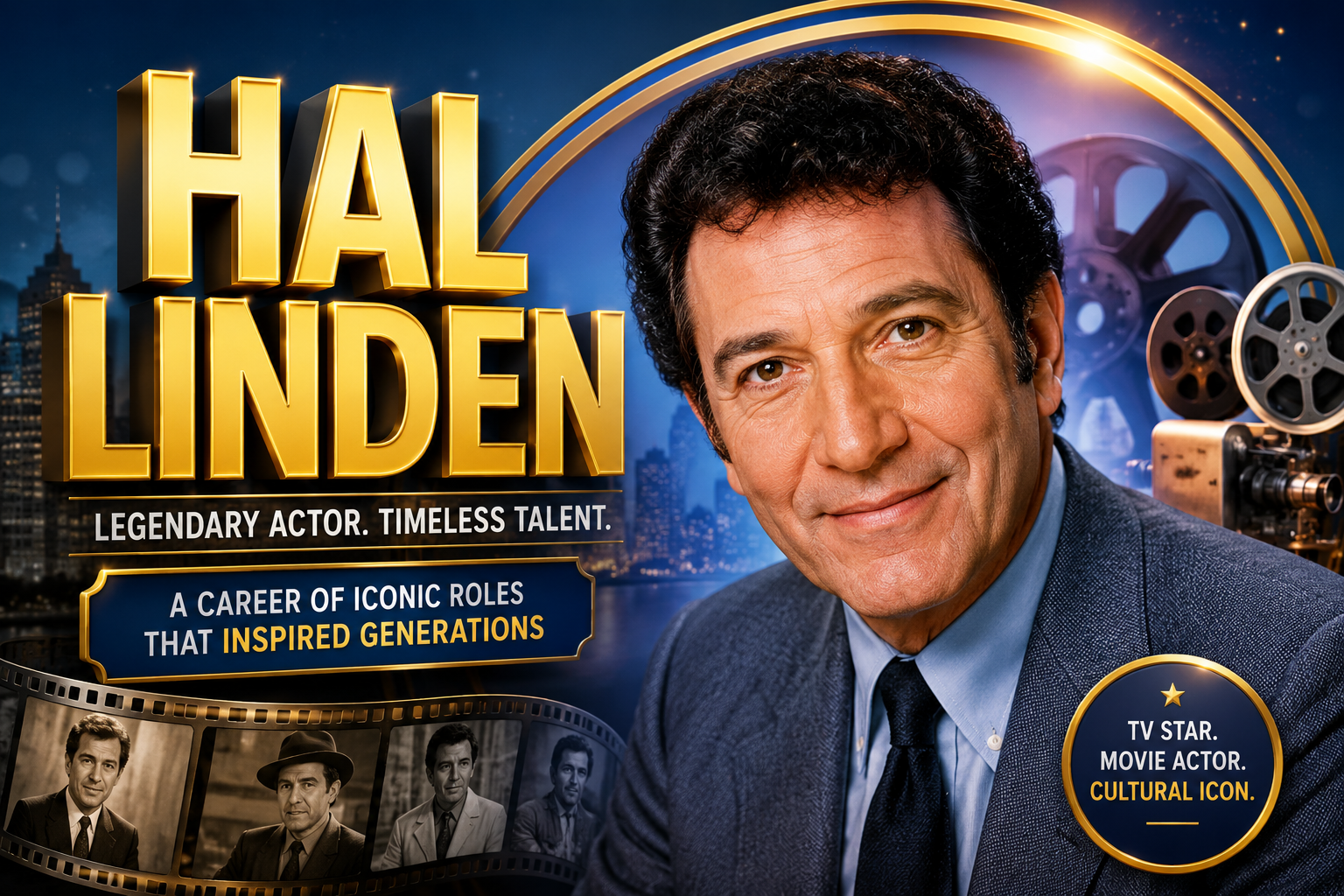
Have you ever watched a classic sitcom and felt like the lead character wasn’t just acting, but truly inhabiting a role that reflected quiet wisdom and steady leadership? That’s the magic Hal Linden brought to television screens for years as Captain Barney Miller. In an industry obsessed with flash and reinvention, Hal Linden stands out as someone who built a remarkable career on talent, versatility, and genuine staying power.
What makes his story so compelling isn’t just the awards or the long-running series. It’s how Hal Linden navigated the highs and lows of show business while staying true to his roots as a musician, stage performer, and family man. Whether you’re a fan of classic TV, aspiring performer, or simply curious about what it takes to have a career that spans decades, this deep dive into Hal Linden’s journey offers real insights you can actually use—about resilience, craft, and finding fulfillment beyond the spotlight.
Early Days: A Bronx Kid with Big Dreams
Born Harold Lipshitz in 1931 in New York City’s Bronx, Hal Linden grew up in a household that valued education and the arts. His father ran a printing shop, and his older brother pursued music academically. Young Hal studied at the High School of Music and Art and later at Queens College, honing his skills as a clarinetist and saxophonist.
That musical foundation proved crucial. Before he became a household name, Hal Linden paid his dues in bands and summer stock productions. He met his wife, Fran Martin, a dancer, during one of those early gigs in 1955. They married in 1958 and built a life together, raising four children while Hal balanced performing with family responsibilities. It’s a reminder that even legends start somewhere grounded.
I’ve always admired how Hal Linden didn’t chase fame immediately. He served in the U.S. Army during the Korean War era, an experience that grounded him. That discipline shows in his work—precise, thoughtful, never showy for its own sake. Many young artists today burn out chasing viral moments. Hal Linden’s path suggests something slower but more sustainable: master your instrument, whether it’s music or acting, and the opportunities follow.
Broadway Breakthrough and the Tony Triumph
Hal Linden’s big break on Broadway came with The Rothschilds in 1970. He won the Tony Award for Best Actor in a Musical for his portrayal of Mayer Rothschild. It wasn’t just a win; it marked him as a serious talent capable of carrying a production with depth and charisma.
Watching clips or reading accounts from that era, you see Hal Linden bringing gravitas to historical roles while keeping them human. He wasn’t afraid to tackle complex characters—Jewish family patriarchs navigating persecution and ambition. That authenticity resonated because it came from lived cultural experience rather than surface-level research.
His other stage credits read like a master class: The Pajama Game, Chicago, Cabaret, and later works like I’m Not Rappaport and Tuesdays with Morrie. Hal Linden treated theater as a lifelong craft, not a stepping stone. In interviews over the years, he’s spoken about the discipline of eight shows a week, the joy of live audiences, and the irreplaceable energy of collaboration with fellow performers.
For anyone in creative fields, this is gold. Hal Linden shows that versatility—moving between singing, acting, and even directing—keeps you relevant. He didn’t pigeonhole himself. When musical theater slowed, he leaned into straight drama and comedy. That adaptability is a practical lesson: diversify your skills so one door closing doesn’t end the journey.

Captain Barney Miller: Defining an Era of Television
Ask most people about Hal Linden, and they’ll immediately mention Barney Miller. The ABC sitcom ran from 1975 to 1982, following the daily life of a New York City police precinct captain and his eclectic team of detectives. It was groundbreaking in its quiet way—ensemble-driven, character-focused, and often more about bureaucracy and human quirks than high-stakes action.
Hal Linden as Barney Miller brought a calm authority that anchored the chaos. He played the straight man to perfection, delivering dry wit and moral steadiness without ever seeming preachy. The show tackled issues like racism, mental health, and urban decay with surprising nuance for network TV of that time. It earned multiple Emmy and Golden Globe nominations for Hal Linden, cementing his status as a television icon.
What’s fascinating is how Hal Linden approached the role. He drew from his own sense of responsibility—as a father, a veteran, and a leader in his community. The character wasn’t flashy, but that’s the point. In an age of anti-heroes and over-the-top drama, Barney Miller represented dependable competence. Hal Linden made competence compelling.
Fans still celebrate the 50th anniversary of the show’s premiere, with Hal Linden appearing for reflections and reunions. He’s walked New York streets in recent years, sharing memories that feel warm and unforced. It’s rare for an actor to remain so gracious decades later.
Beyond the Precinct: Music, Film, and Later Career
Hal Linden never stopped being a musician at heart. He released an album called It’s Never Too Late, fulfilling a personal dream with jazz standards and show tunes. He even performed “You Light Up My Life” at the Golden Globes. His voice—warm, expressive—carries the same thoughtful quality as his acting.
On screen, he appeared in films like Out to Sea and The Samuel Project, a film close to his heart that explored Jewish family themes. He’s continued working into his 90s, proving age is no barrier when passion remains. Recent appearances, including stage readings and conversations with legends like Barbara Eden, show he’s still engaged with the community.
Hal Linden has also been a longtime spokesman for the Jewish National Fund, using his platform for causes that matter to him since 1997. That blend of career and conviction adds depth. He’s not just an entertainer; he’s a contributor.
Practical Lessons from Hal Linden’s Career for Today’s Creators
So, what can we actually take away from studying Hal Linden?
- Build a strong foundation. His musical training informed his timing, breath control, and emotional range. Whether you’re an actor, writer, or entrepreneur, invest in core skills that transfer across projects.
- Embrace ensemble work. Barney Miller succeeded because of the team. Hal Linden shone by lifting others up rather than dominating every scene. In modern collaborative environments, that humility wins loyalty and better results.
- Stay curious and adaptable. Hal Linden moved between Broadway, TV, film, and music. Don’t fear pivots. The industry changes—streaming, social media, AI tools—but authentic storytelling endures.
- Prioritize family and values. Raising four kids while maintaining a demanding career wasn’t easy, but Hal Linden speaks of it with pride. Success without balance often rings hollow.
- Keep learning. Even in later years, he tackled new roles and projects. Mistakes to avoid? Resting on past glory or dismissing new formats. Hal Linden kept showing up.
One common pitfall I see in aspiring talents is chasing relevance instead of mastery. Hal Linden’s trajectory reminds us that consistent, quality work creates its own longevity. He wasn’t the loudest voice, but he was one of the most respected.
The Human Side: Resilience Through Decades
Behind the awards is a man who experienced the full spectrum—early struggles, peak fame, quieter periods, and a graceful late career. Losing his wife Fran in 2010 after over 50 years of marriage was a profound chapter, yet Hal Linden continued forward with dignity.
He’s shared stories of industry shifts, from the golden age of Broadway to the rise of television dominance. His perspective on fame is refreshingly level-headed: it’s a tool, not the goal. In a world where social media amplifies every moment, Hal Linden’s example of selective engagement feels wise.
For performers dealing with typecasting, his post-Barney Miller choices offer hope. He didn’t try to replicate the character endlessly. Instead, he explored new avenues, keeping his craft fresh.
Why Hal Linden Still Matters Today
In 2026, with entertainment fragmented across platforms, Hal Linden represents a different model—one rooted in craft over clout. Younger audiences discovering Barney Miller on streaming often comment on its timeless humor and heart. It holds up because the writing and performances prioritized truth over trends.
Hal Linden’s story encourages us to value longevity. Not everyone needs to be a supernova. Some careers burn steadily, warming generations. That steady light has real power.
Whether you’re rewatching old episodes, exploring his stage work, or drawing inspiration for your own path, Hal Linden offers proof that talent paired with perseverance creates something lasting. His journey from Bronx clarinet player to Tony winner and beloved TV captain is filled with quiet triumphs worth studying.
Take a moment to appreciate the performers who built the foundations we stand on. Hal Linden didn’t just entertain—he modeled how to do it with class, depth, and humanity. In a noisy world, that resonance lingers.