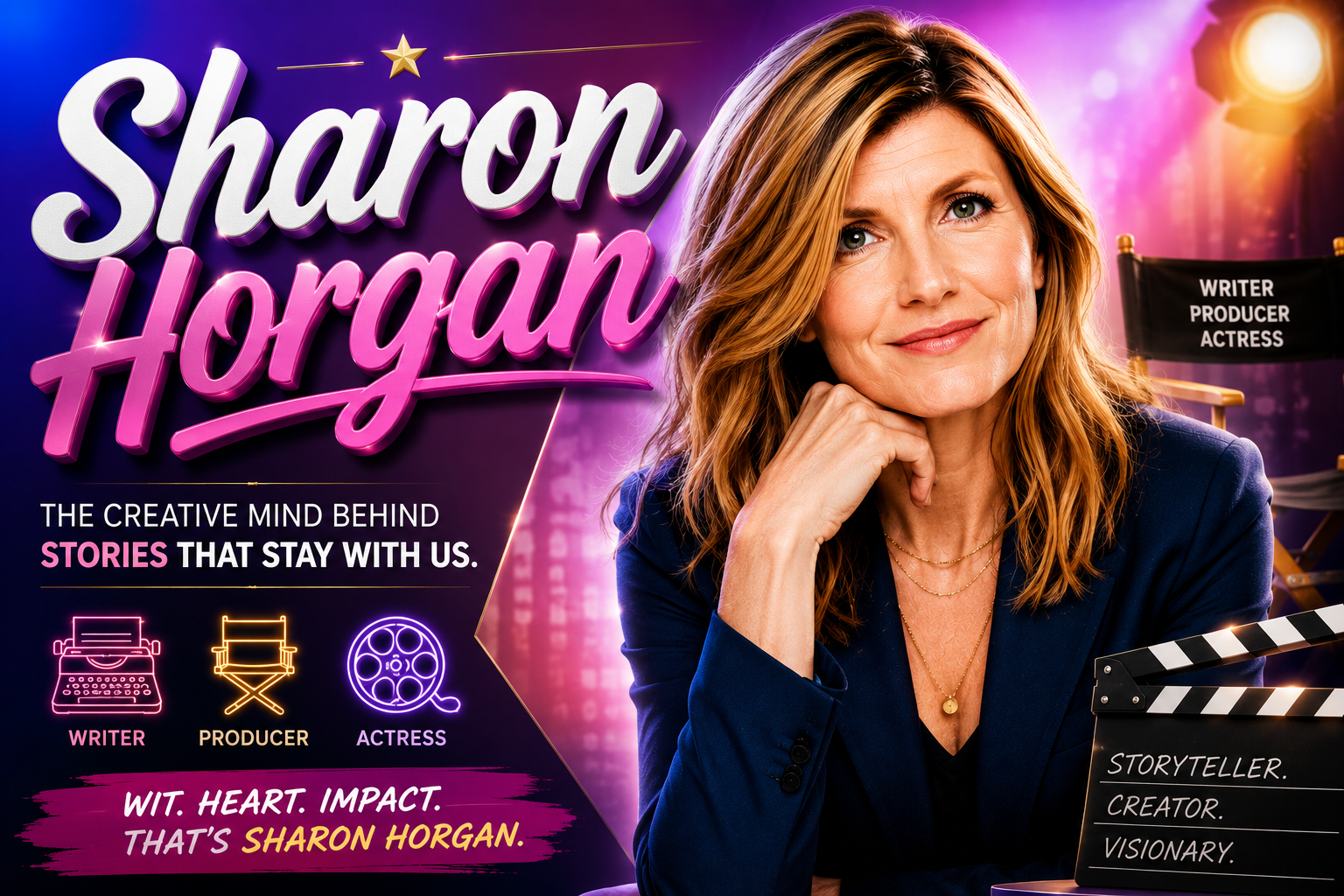
I still remember the first time a friend shoved her phone at me during a chaotic coffee run, insisting I watch a clip from Catastrophe. Within thirty seconds, I was laughing so hard I nearly spilled my latte. That was my introduction to Sharon Horgan—the kind of writer and performer who makes the messiest parts of being human feel not just bearable, but hilariously, painfully recognizable.
If you’ve ever felt like modern life is a series of awkward negotiations—between partners, kids, work, and your own expectations—Sharon Horgan gets it in a way few creators do. She doesn’t just write about it; she builds entire worlds around it. From the raw honesty of single life in Pulling to the sisterly solidarity and dark secrets in Bad Sisters, Horgan has spent two decades turning everyday emotional wreckage into sharp, addictive television. And right now, in an era where we’re all a bit exhausted by polished perfection, her voice lands like a much-needed exhale.
From Turkey Farm to Television Trailblazer
Sharon Horgan’s origin story sounds almost too perfectly Irish to be true. Born in London in 1970 to an Irish mother and New Zealand father, she moved to a turkey farm in County Meath, Ireland, at a young age. One of five siblings—including rugby star Shane Horgan—she grew up surrounded by chaos, animals, and big personalities.
That rural, slightly wild upbringing clearly shaped her. After studying English and American Studies at Brunel University, she bounced around London in dead-end jobs while chasing acting dreams. Stand-up comedy became her training ground. It wasn’t glamorous, but it taught her to observe people mercilessly and turn pain into punchlines.
What sets Sharon Horgan apart is that she didn’t wait for permission. In the early 2000s, she teamed up with writer Dennis Kelly. Together they created Pulling (2006–2009), a brutally funny sitcom about three women navigating disastrous relationships and the wreckage of their thirties. Horgan starred as the gloriously flawed Donna. Critics loved it. Audiences recognized themselves in it. Suddenly, a new kind of female-led comedy had arrived—one that refused to make its characters likable at the expense of being real.
The Catastrophe That Changed Everything
Then came Catastrophe. Co-created with American comedian Rob Delaney, the show followed an accidental pregnancy after a brief fling between Sharon’s character and Rob’s. Six seasons? No—four tight seasons of absolute gold. It captured the terror and tenderness of new parenthood, the slow erosion and rebuilding of desire in long-term relationships, and the quiet dread that maybe you’re doing everything wrong.
What made it brilliant wasn’t just the jokes (though they were razor-sharp). It was the emotional intelligence. Sharon Horgan has this gift for writing dialogue that feels overheard rather than scripted. You believe these people are exhausted, horny, resentful, and still deeply in love—sometimes all at once. The show earned BAFTA wins and Emmy nominations, proving that authentic storytelling could cross oceans and still resonate.
I’ve had conversations with friends who say Catastrophe helped them have better arguments with their partners. Not because it offered solutions, but because it normalized the mess. That’s high praise for any piece of art.
Bad Sisters and the Power of Female Rage
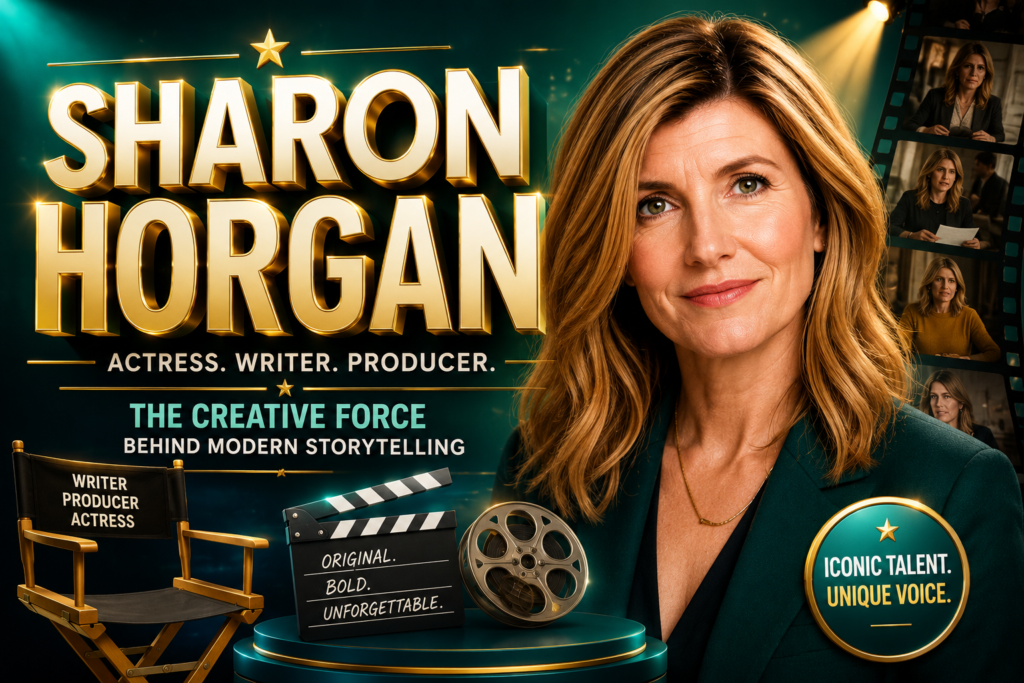
If Catastrophe was about the chaos of building a life together, Bad Sisters (2022–2024) explored what happens when that life becomes suffocating. Based on the Belgian series Clan, Horgan adapted and starred in this dark comedy-thriller about five sisters who plot to murder their monstrous brother-in-law.
It was a revelation. The show balanced laugh-out-loud sibling banter with genuine suspense and a deep examination of loyalty, grief, and the limits of endurance. Watching it felt cathartic—especially for anyone who’s ever fantasized about removing a toxic person from a loved one’s life. Season two continued the momentum, cementing Sharon Horgan as a master of tonal tightrope walking.
The series also highlighted something crucial: women in their forties and fifties on screen don’t have to be sidelined into “mom” or “eccentric aunt” roles. They can be vengeful, sexual, funny, and ferocious. Horgan’s presence as the level-headed yet determined Eva anchored the ensemble beautifully.
Motherland, Divorce, and the Relatable Mess
Horgan’s producing and writing credits extend far beyond her on-screen roles. Motherland skewered the competitive hellscape of school-gate parenting with merciless accuracy. Co-created with a team of brilliant writers, it became essential viewing for anyone who’s ever felt judged by other parents while simultaneously judging them right back.
Then there’s Divorce, her HBO series starring Sarah Jessica Parker. It took the glossy Sex and the City fantasy and aged it into something grittier—exploring the financial, emotional, and logistical nightmare of uncoupling after decades together. Horgan’s fingerprints were all over the nuanced writing.
Her ability to juggle multiple projects while maintaining quality speaks to serious discipline and creative vision. Through her company Merman, she’s built a space for other bold voices too.
Life After Divorce and the Next Chapter
Sharon Horgan has been open about her own separation from husband Jeremy Rainbird in 2019 after 14 years and two daughters. In interviews, she’s spoken about the pain, the growth, and the strange freedom that follows. “Is there life after divorce? Definitely!” she’s said, with that characteristic mix of humor and honesty.
This personal experience clearly fuels her work. There’s a lived-in understanding of how relationships evolve, fracture, and sometimes reform in unexpected ways. In a culture that often treats divorce as either tragic failure or empowering glow-up, Horgan offers something more complex: it’s both, and neither, and it’s okay to feel everything at once.
As of 2025-2026, she’s busier than ever. She signed a major first-look deal with HBO for a new comedy series about a divorcee. She’s executive producing projects like Vladimir starring Rachel Weisz and appearing in various high-profile roles. Her creative output shows no signs of slowing down.
What We Can Learn From Sharon Horgan’s Approach
Here are a few practical takeaways from studying her career:
- Write what you know, but dig deeper. Horgan draws from life but layers in universal truths that transcend autobiography.
- Collaboration beats solo genius. Her best work often comes from partnerships—with Kelly, Delaney, and various writing rooms.
- Tone is everything. Balancing comedy with darkness requires precision. She trusts audiences to handle complexity.
- Keep evolving. From sketch comedy to international thrillers, she refuses to be boxed in.
- Protect your voice. By producing through Merman, she maintains control over the stories that matter to her.
If you’re a writer, creator, or just someone navigating life’s messier chapters, spend time with her work. Notice how she lets characters be contradictory. Pay attention to the way silence and small gestures carry as much weight as big monologues.
The Enduring Appeal of Sharon Horgan
What makes Sharon Horgan special isn’t just talent—it’s her refusal to look away from the uncomfortable bits. She writes women who are ambitious and insecure, loving and petty, competent and falling apart. She writes men with the same nuance. And she does it all while making you laugh until it hurts.
In a media landscape increasingly dominated by algorithm-friendly content, her work feels stubbornly, refreshingly human. It reminds us that stories about ordinary struggles—bad dates, school runs, marital boredom, sisterly love, quiet revenge—can be profound when handled with skill and heart.
So the next time you’re feeling overwhelmed by the chaos of your own life, put on an episode of one of her shows. You’ll probably see yourself in it. And for a little while, that shared recognition might just make the mess feel a little more manageable.
Sharon Horgan isn’t just creating television. She’s chronicling the way we actually live now—and making it damn funny in the process. Keep watching. Keep learning from her. The world needs more voices like this.