I was stuck in a hotel room in Istanbul last winter, waiting out a delayed flight, when I opened my laptop just to kill time. No Steam library loaded. No console in sight. I typed a random search and somehow landed on a page full of colorful thumbnails. Within minutes I was deep into a puzzle game that felt oddly polished for something running straight in the browser. That was my accidental introduction to Yandex Games. What started as boredom turned into three hours I did not plan to spend, and it left me wondering why this particular platform has quietly built such a loyal following while bigger names fight for attention.
If you have ever wanted a place where games load instantly, cost nothing to start, and still feel substantial, you are in the right place. This piece digs into what makes Yandex Games different, how developers actually use it, the practical ways players can get more from it, and the quiet strengths that keep people coming back. You will walk away with a clearer picture of the platform’s real value and a few concrete habits that make the experience better.
What Exactly Is Yandex Games and Why Does It Feel Different
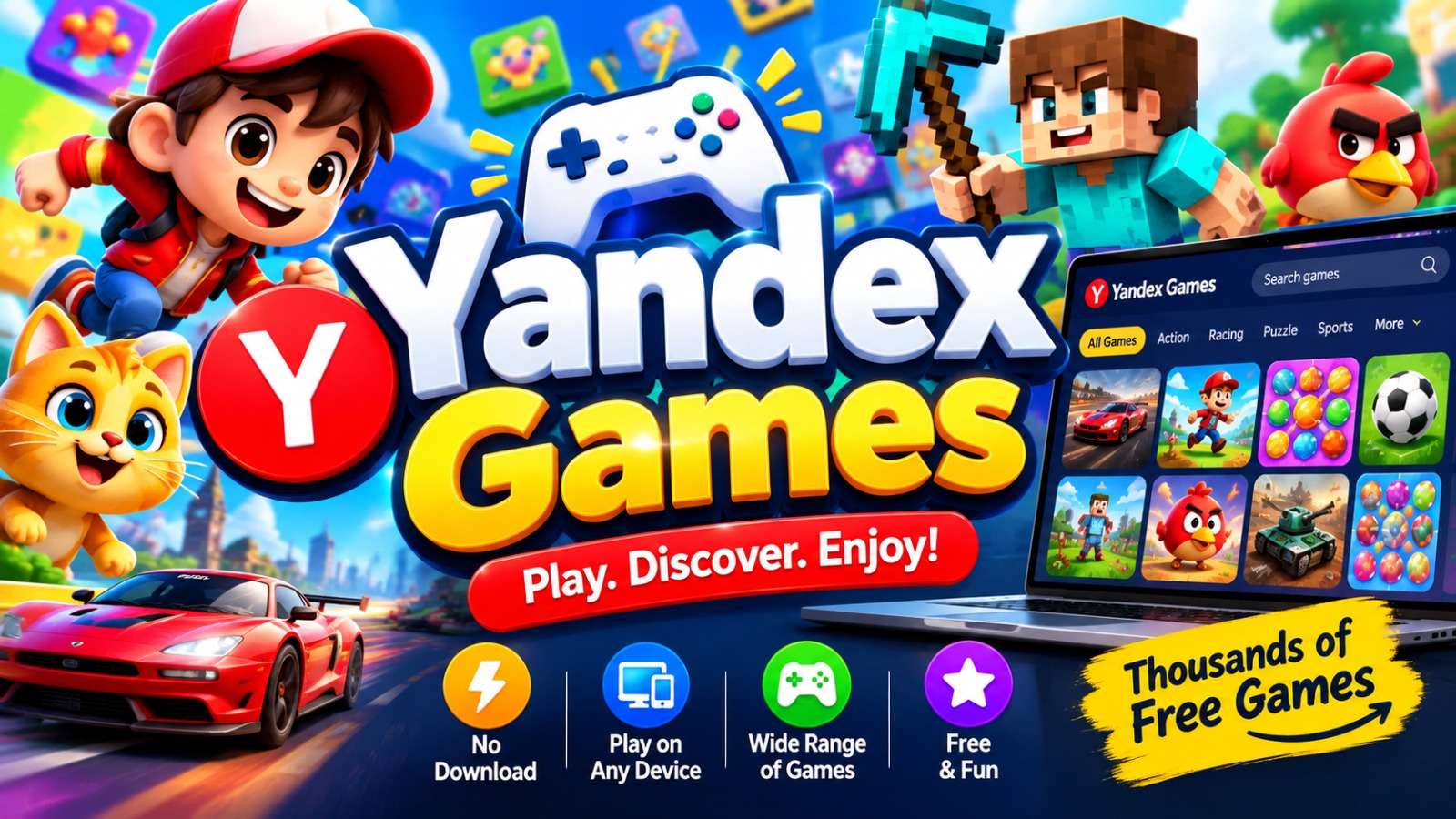
Yandex Games is the browser-based gaming section of the larger Yandex ecosystem. It hosts thousands of HTML5 titles that open in any modern browser without downloads or installations. The catalog leans heavily toward casual and mid-core experiences: endless runners, match-three puzzles, idle clickers, simple strategy games, and the occasional more ambitious multiplayer experiment. Everything is free to play, with optional in-game purchases and rewarded ads as the main monetization routes.
The first thing that stands out is speed. You click a thumbnail and the game is already running. No Steam overlay, no Epic launcher asking for updates, no waiting for a 4 GB patch. For many players that frictionless start is the entire appeal. I have watched friends open Yandex Games on a work laptop during a short break and finish a full session before their coffee cooled. That kind of accessibility changes how people fit games into ordinary days.
Another quiet advantage is the way the platform surfaces content. The home page mixes editor picks, trending titles, and personalized suggestions based on what you have played before. It is not perfect, but it avoids the pure popularity contest that can bury interesting smaller games on other stores. You will still see big-name clones and licensed titles, yet the algorithm also gives room to independent developers who would struggle to get noticed elsewhere.
How Developers Actually Make Money on the Platform
I spoke with a few developers who ship regularly on Yandex Games, and their answers were more pragmatic than glamorous. The platform takes a revenue share on in-app purchases and offers an advertising SDK that supports rewarded video and interstitial formats. For many small teams the combination is enough to generate steady, if modest, income.
The real advantage they mentioned is the audience size and the low barrier to entry. You do not need to fight for featured placement on a major app store or convince Steam users to wishlist your game months in advance. You publish, the catalog indexes you, and if the game holds attention for more than a few minutes the platform starts recommending it. Several developers told me they treat Yandex Games as a reliable secondary channel rather than their main bet. One studio that makes puzzle games said the platform now accounts for roughly 30 percent of their monthly revenue, with almost no marketing spend beyond the initial launch push.
There are rules, of course. Games must meet technical requirements around loading speed, mobile responsiveness, and content guidelines. The review process is generally faster than the big mobile stores, but it is not automatic. Titles that rely on aggressive monetization or that break the platform’s advertising rules get rejected or limited. The developers who succeed tend to treat the audience with a certain respect: fair progression systems, clear value for money on purchases, and ads that do not interrupt every thirty seconds.
Practical Ways Players Get More Out of Yandex Games
Most people open the site, click whatever looks fun, and leave when the session ends. That works, but a few small habits make the experience noticeably better.
First, create an account and stay logged in. Progress, achievements, and cloud saves travel with you across devices. I learned this the hard way after losing a long idle-game streak when I switched browsers. Second, use the “Continue playing” section on the home page. It remembers where you left off and removes the friction of hunting for the same title again. Third, pay attention to the rating and review volume rather than just the average score. A game with 4.7 stars from twelve players is less informative than one with 4.2 stars from several thousand.
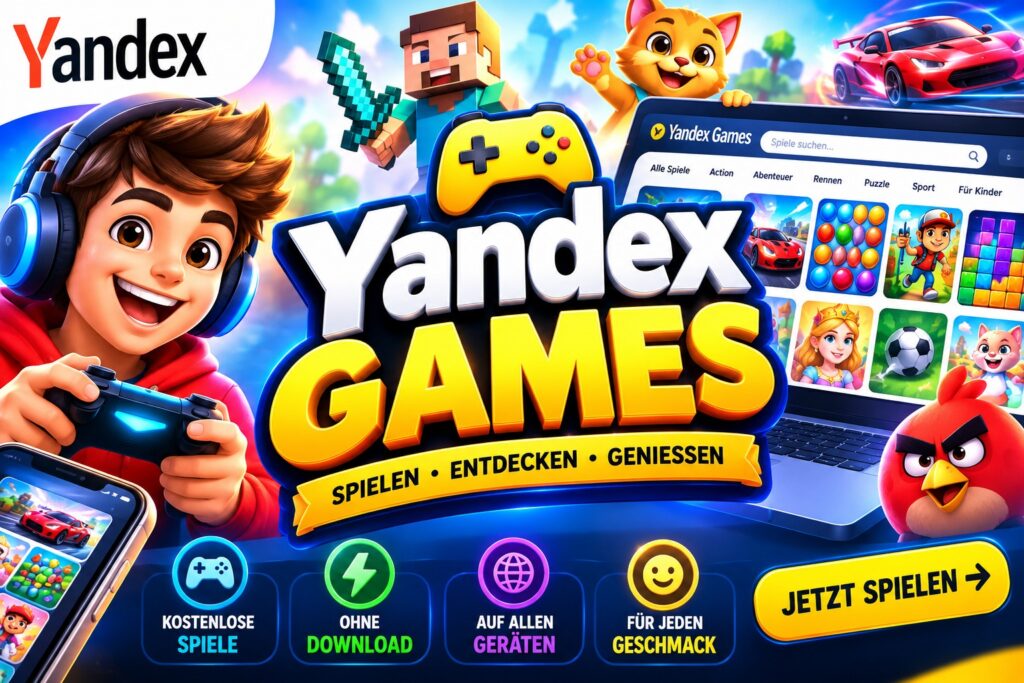
On mobile the experience is surprisingly solid. Most titles adapt to different screen sizes without major layout breaks. I keep a few favorites bookmarked on my phone for subway rides. The touch controls are usually simple enough that you do not miss a physical controller. Battery impact varies by game, of course, but the lighter HTML5 titles are gentler than full native apps.
If you care about privacy or data usage, the platform is relatively transparent. You can play many games without an account. The ads are the main trade-off, and most are skippable after a short wait. Turning on any available ad-blocking features in your browser can reduce them further, though some games simply will not load if they detect blockers.
The Quiet Strengths That Keep People Returning
What keeps Yandex Games interesting is not any single blockbuster title. It is the combination of convenience and breadth. On a Tuesday evening when you have twenty minutes and zero desire to wait for a download, the platform delivers. That reliability builds a habit. I have friends who treat it the way others treat short-form video: a reliable way to fill small gaps in the day without committing to a longer session.
There is also an interesting cultural layer. Because the platform has strong roots in Russian-speaking markets, you will find games and design sensibilities that feel different from the global mobile mainstream. Some titles lean into local humor, historical themes, or visual styles that do not appear on Western charts. That variety is refreshing if your usual rotation has started to feel samey.
Multiplayer options exist but remain secondary. Most games are single-player or asynchronous. Real-time competitive modes are rarer, which keeps the technical bar lower and the experience more predictable across devices. For many players that is a feature, not a limitation.
Common Mistakes and How to Avoid Them
New players often make the same few errors. They bounce between too many titles without giving any of them a real chance, then decide the whole platform is shallow. A better approach is to pick three games that look interesting and play each for at least fifteen minutes before moving on. Depth often appears after the initial tutorial.
Another frequent issue is ignoring the progress systems. Many idle and incremental games reward daily check-ins. If you only open them once a week you will miss the compounding effects that make them satisfying. Set a light reminder if that style of game appeals to you.
Developers, for their part, sometimes over-monetize early. The players who stay longest are the ones who feel the game respects their time. Soft currency that accumulates at a reasonable pace, optional cosmetic purchases, and rewarded ads that actually give meaningful boosts tend to perform better over months than aggressive paywalls.
Looking Ahead Without the Hype
The browser gaming space moves quickly. New devices, better WebGL support, and improved mobile browsers keep raising the ceiling for what is possible. Yandex Games sits in a useful middle ground: accessible enough for casual sessions, capable enough for more ambitious projects. Whether it becomes a major global player or remains a strong regional platform is less important than the simple fact that it already works well for a large number of people.
For players the invitation is straightforward. Open the site, try a few titles that match your mood, and notice how little friction stands between you and the game. For developers the calculation is different but equally practical: a large audience, reasonable monetization tools, and a review process that does not require months of waiting.
I still remember that rainy afternoon in Istanbul. The game I played was nothing revolutionary, yet the ease of starting and the quiet satisfaction of finishing a session without friction left an impression. That is the real product Yandex Games sells. Not the biggest games in the world, just the ones that are ready when you are.
In a landscape full of download queues and update notifications, that kind of readiness is rarer than it should be. Give the platform a proper look the next time you have a spare twenty minutes. You might be surprised how quickly the time disappears.