
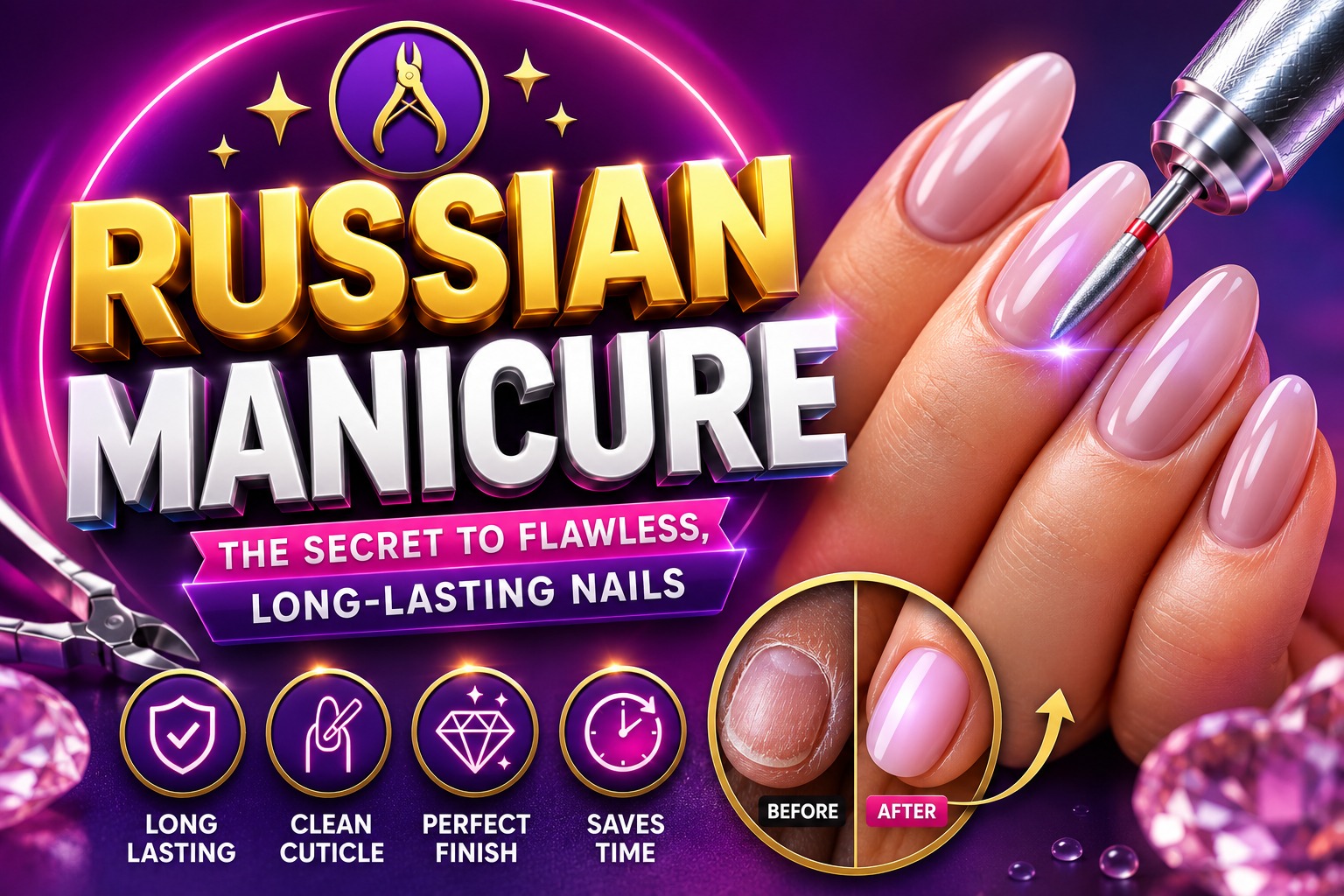
I still remember the first time a client slid her hands across the table and said, almost apologetically, “Just clean them up. Nothing fancy.” Her cuticles looked inflamed from years of aggressive clipping and soaking. Twenty-five minutes later she stared at her nails like they belonged to someone else. No drama, no acrylic, just skin that sat neatly and a free edge that looked intentional. That was my introduction to russian manicure, and I’ve been refining the approach ever since.
If you’ve ever left a salon feeling like your nails looked polished for about three days before the real work started showing, this is for you. You’ll walk away understanding what russian manicure actually involves, why the technique produces cleaner growth and longer wear, how to decide if it’s right for your nails, and the practical details most blogs gloss over. No hype. Just the stuff that matters when you care about the health of the skin around your nails as much as the color on top.
What Russian Manicure Actually Is (and What It Isn’t)
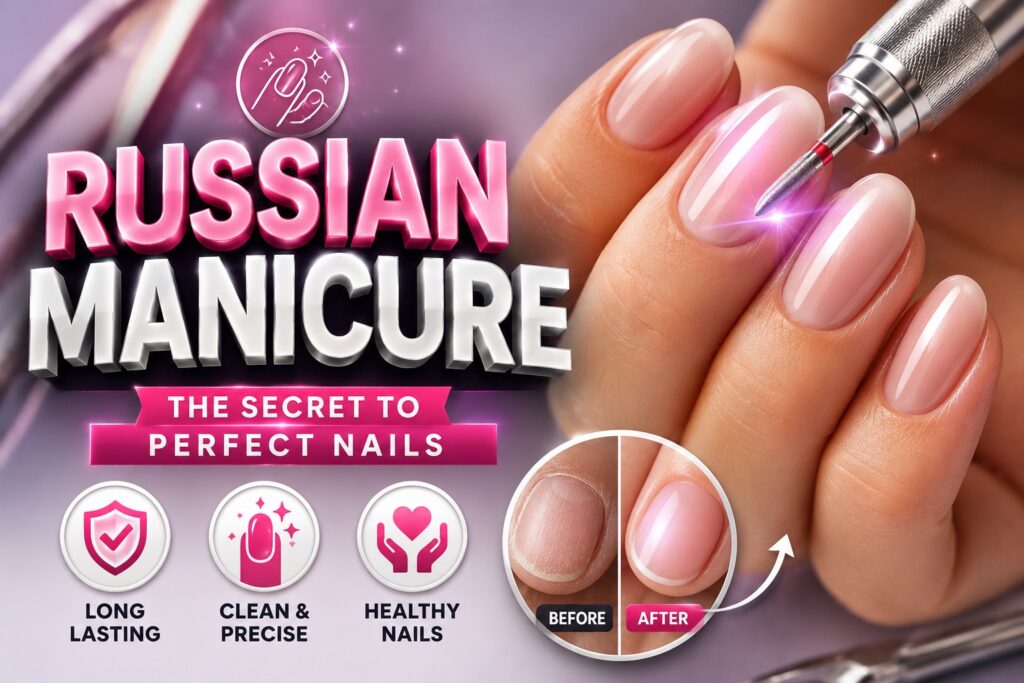
Russian manicure is a dry, precision-focused technique that prioritizes cuticle refinement over soaking and aggressive removal. The goal is a clean nail plate and a smoothed proximal nail fold so polish or gel sits flush and lasts. Technicians typically work with an electric file at controlled speeds, followed by fine hand tools, to lift and carefully reduce excess cuticle without cutting living tissue.
It is not a “no-cuticle” manicure. Healthy cuticle tissue still exists; it is simply tidied so it no longer creeps onto the plate or traps moisture. The method originated in Russian and Eastern European salons where clients expected weeks of clean growth between appointments. Over time the approach migrated west and picked up refinements in bit selection, dust control, and aftercare.
The difference shows most clearly two weeks later. Traditional wet manicures often leave a soft, slightly puffy rim that rebounds quickly. A well-executed russian manicure leaves a sharper transition between skin and nail, so the free edge stays defined longer and lifting under gel is reduced.
Why the Technique Delivers Longer Wear and Cleaner Growth
Three things set russian manicure apart in daily life.
First, the dry preparation. Soaking softens the entire nail bed and surrounding skin. When you then push and clip, you risk removing more tissue than necessary and creating micro-tears that invite irritation. Working dry keeps the tissue firm, so the technician can see exactly where the eponychium ends and the living skin begins.
Second, the controlled abrasion. A tapered bit at the right rpm lifts the cuticle without heat spikes or vibration that causes discomfort. The subsequent hand work with a fine pusher and curved scissors or nippers is minimal. Less trauma means less rebound swelling and fewer hangnails later.
Third, the seal. Once the plate is clean and the fold is smoothed, base coat and color adhere more evenly. Clients who switch from weekly salon soaks to russian manicure every three to four weeks routinely report fewer chips at the free edge and less product separation near the cuticle.
I tracked this informally with regulars for six months. Those who stayed on a strict russian manicure schedule averaged 18–21 days of intact gel before they requested a refresh. The ones who alternated with traditional services dropped closer to 12–14 days. The difference was visible in the growth line: cleaner, less yellowing, less trapped debris.
Who Benefits Most (and Who Should Pause)
Russian manicure suits people whose cuticles grow thick or uneven, who wear gel or hard gel regularly, or who simply dislike the soft, waterlogged feeling after a classic manicure. It also works well for short natural nails because the refinement makes even a short free edge look deliberate.
It is less ideal if your skin is extremely thin, if you have active eczema or psoriasis around the nails, or if you are dealing with an open wound or infection. In those cases a gentler hand-only approach or medical referral comes first. Pregnant clients sometimes prefer reduced vibration, so we adjust to lower speeds or pure manual work. The technique itself is flexible; the technician’s judgment is not.
Men’s hands respond particularly well. The thicker skin around many male nails softens less dramatically with soaking, so the dry method produces a sharper result without the puffy look that some men dislike.
What Happens in a Typical Appointment
A solid russian manicure session usually runs 45–75 minutes depending on the starting condition and whether color is applied.
You arrive with dry hands. No soaking bowl. The technician examines the nails under good light, notes any lifting, ridges, or previous product, and selects bits—usually a fine flame or tapered cone for the cuticle area and a cylinder or barrel for surface prep.
The e-file stage is short and deliberate. The bit moves parallel to the nail plate, lifting the cuticle rather than grinding into the skin. Dust is managed with a good extraction system or frequent brushing. Once the excess is reduced, the technician switches to a metal pusher or orangewood stick to gently coax remaining tissue, then uses precision nippers only where necessary. The goal is never a deep cut; it is a clean edge.
After the plate is wiped and dehydrated, base coat goes on. If you are doing gel, the technician may lightly buff the surface for adhesion and then apply color. The final seal is important: the product should sit just short of the refined cuticle line so new growth has room without immediate lifting.
Clients often notice the difference the same evening. The skin feels tighter, not raw. There is no residual water wrinkling. The next morning the nails look almost the same as they did when you left the chair.
Tools and Technique Details That Separate Good From Great
Bit quality and speed control matter more than brand names. A sharp, single-use or properly sterilized carbide or ceramic bit at 5,000–10,000 rpm (depending on the bit and the client’s sensitivity) does the lifting work. Higher speeds create heat and risk. Lower speeds can drag.
Hand tools should be sharp. Dull nippers crush rather than cut, which is how hangnails start. Many technicians who specialize in russian manicure keep a dedicated set of curved scissors for the final tidy rather than relying solely on nippers.
Dust control is non-negotiable. Fine particulate from the e-file can irritate lungs and eyes. A desktop extractor or high-quality mask and frequent wiping keep the workspace clean and the client comfortable.
Aftercare is simple but often skipped. A thin layer of cuticle oil twice a day for the first week helps the refined area stay flexible. Avoid aggressive pushing at home. If you like to maintain between appointments, a soft silicone pusher and oil are safer than metal tools in untrained hands.
Common Mistakes That Ruin the Result
The biggest error is treating russian manicure like a traditional cuticle removal session with an electric file attached. Aggressive angle, high speed, and over-removal produce redness, sensitivity, and later overgrowth as the body tries to protect itself.
Another frequent issue is skipping the hand-finishing step. The e-file alone rarely creates the refined line clients expect. The final 30–60 seconds of careful hand work make the difference between “clean” and “salon-perfect.”
Product application too close to the living tissue is the third trap. Even a beautifully prepared nail will lift if color is flooded into the fold. Leaving a hairline of clear plate at the proximal edge gives the nail room to grow without immediate stress on the product.
How to Talk to Your Technician
If you want russian manicure, say the words. Many salons still default to classic wet service unless you request otherwise. Ask whether the technician uses an e-file for cuticle work, how they manage dust, and whether they refine by hand afterward. Look at their portfolio or recent client photos under natural light. The growth line two weeks later tells the real story.
If you are new to the technique, request a conservative first appointment. Most good technicians prefer to under-remove rather than overdo it on a first visit. You can always go slightly more precise next time once you know how your skin responds.
Home Care That Supports the Work
Between appointments, keep the area hydrated but not soaked. Oil is better than thick cream that can sit under the free edge. Wear gloves for dishwashing and cleaning. If you notice a hangnail, resist the urge to tear it; oil it and trim carefully with clean scissors if needed.
For those who like a soft matte look or bare nails, russian manicure still pays off. The refined cuticle makes short, natural nails look intentional rather than neglected. A sheer tint or just a good top coat over the prepared plate lasts surprisingly well.
The Longer View: Nail Health Over Trends
Russian manicure is not a trend in the disposable sense. It is a return to precise preparation that older generations of nail technicians understood before soaking bowls became standard. The electric file simply made the work faster and more consistent when used correctly.
Clients who adopt it as their regular service tend to notice secondary benefits: fewer infections around the nail, less yellowing from trapped moisture, and a stronger habit of treating the skin around the nails as living tissue rather than something to be clipped away. That shift in mindset is worth more than any single polish color.
Final Thoughts on Choosing Russian Manicure
If your priority is clean growth, longer-lasting color, and less irritation between visits, russian manicure is worth seeking out. It rewards patience and a technician who respects the boundary between dead tissue and living skin. It does not require you to abandon color or length; it simply gives the foundation more integrity.
The next time you sit down for a manicure, consider asking for the dry, precise approach. Your nails—and the skin that frames them—will show the difference long after the appointment ends. That quiet, lasting improvement is the real reason russian manicure keeps earning its place in serious nail care.