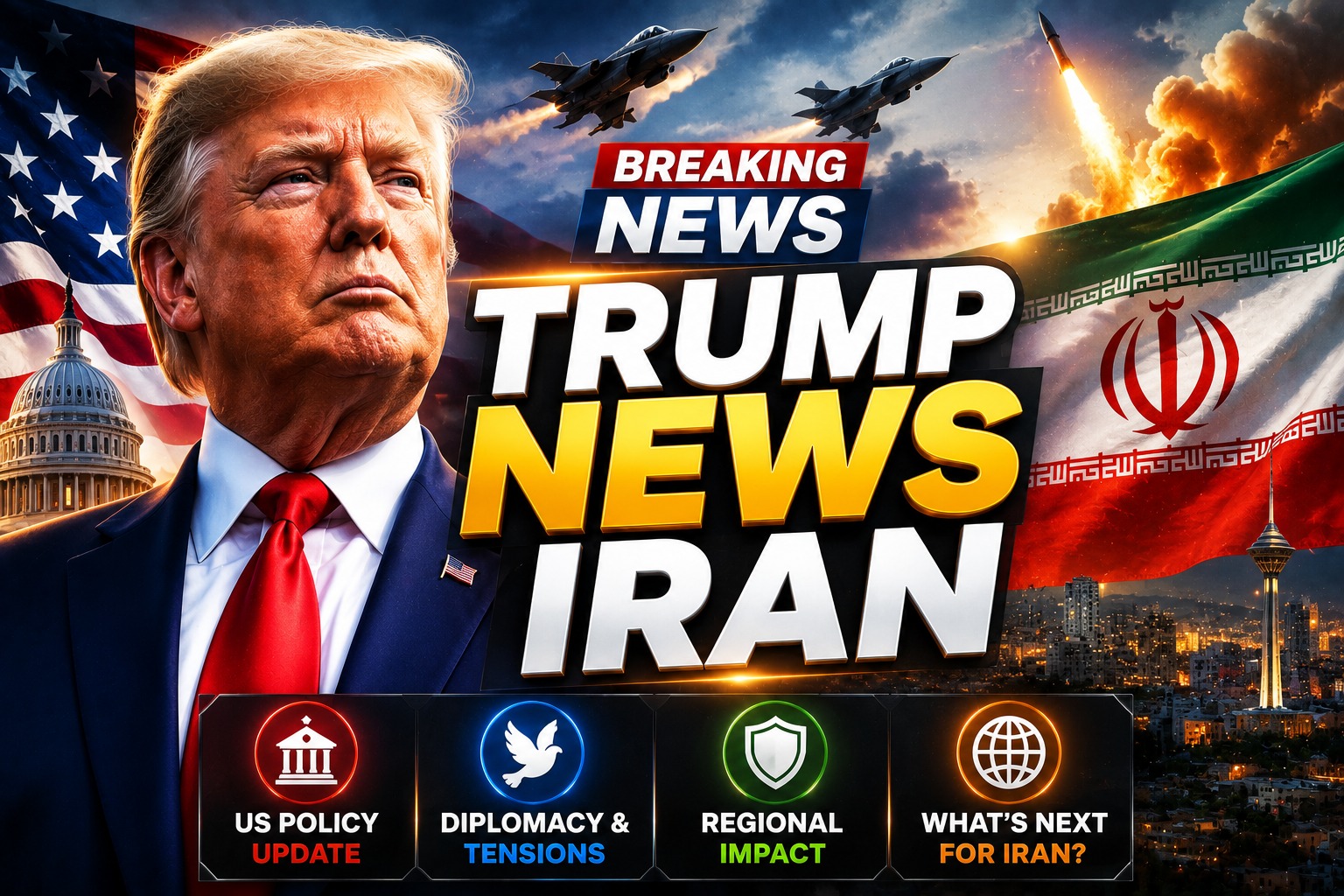
I was standing in a gas station line last week when the guy in front of me started ranting about his bill. “Another ten cents overnight,” he said, shaking his head. “Something about Iran again.” He wasn’t wrong. Every time the headlines light up with trump news iran, the pump price seems to twitch. It’s not abstract geopolitics for most of us. It’s the cost of getting to work, heating the house, or shipping goods that eventually land on store shelves.
That is exactly why the latest cycle of trump news iran deserves a clear-eyed look. Not the cable-news panic version. Not the partisan victory lap. Just a practical read on what has actually been happening since the fighting flared in late February 2026, how the short-lived June memorandum of understanding collapsed in July, and where the pressure points sit for ordinary people and markets as of early August. By the end of this piece you should walk away with a working map of the stakes, the leverage each side is using, and a few concrete things worth watching so the next spike doesn’t catch you flat-footed.
How We Got Here Without the Spin
The current chapter of trump news iran did not begin in a vacuum. After years of sanctions, nuclear enrichment disputes, and proxy fights across the region, the United States and Israel launched major airstrikes on Iranian targets on February 28, 2026. Iranian leadership figures were killed early. Missile and naval capabilities took heavy damage. Tehran responded with attacks on shipping and regional bases. Oil prices jumped. Shipping companies started re-routing or waiting.
By mid-June a 14-point memorandum of understanding was signed. It called for a 60-day ceasefire window, safe passage through the Strait of Hormuz, and temporary sanctions relief on Iranian oil sales. Trump publicly celebrated it as a breakthrough. For a few weeks traffic through the strait improved and prices eased a bit. Then the arrangement frayed.
In early July Iranian forces struck commercial vessels in the Strait of Hormuz. U.S. Central Command answered with strikes on dozens of Iranian military targets—air defenses, small boats, coastal radar, storage sites. Iran fired back at U.S. facilities in Bahrain and Kuwait. At a NATO gathering in Turkey, Trump declared the memorandum “over,” used some of his blunter language about Iranian leadership, and warned of further action. Additional U.S. strikes followed. Oil futures reacted immediately. That sequence is the core of recent trump news iran coverage.
Why the Strait of Hormuz Is the Real Lever
Roughly a fifth of the world’s seaborne oil trade normally moves through that narrow waterway. When ships hesitate or turn around, the global system feels it fast. Insurance rates climb. Freight costs rise. Refineries start talking about tighter margins. Those costs do not stay in the Gulf. They show up in diesel for truckers, jet fuel for airlines, and eventually consumer prices.
In the July flare-up, shipping data showed vessels turning back rather than risk the transit. Iran has repeatedly insisted on controlling the arrangements for passage. The United States has insisted on free navigation and has used naval presence and strikes to enforce that view. Each time the cycle of ship attacks and retaliatory strikes repeats, the market prices in higher risk. That is why trump news iran moves commodity desks almost as reliably as inventory reports.
A practical takeaway: if you run a business that depends on fuel or imported inputs, treat Hormuz risk as a standing line item in your planning, not a one-off headline. Even a temporary reopening of traffic can reverse some of the premium, but the underlying tension has not vanished.
The Pattern in Trump’s Approach
Watching the language across months of trump news iran shows a consistent style. Early on the administration projected a relatively short campaign measured in weeks. Objectives were framed around degrading missile forces, naval assets, and the remaining nuclear-related capacity, plus cutting support for regional armed groups. When the June memorandum appeared, the tone shifted toward deal-making and reopening energy flows. When ships were hit again, the tone snapped back to pressure and the possibility of more strikes, including talk of infrastructure and the oil hub at Kharg Island.
Negotiators—figures such as Steve Witkoff and Jared Kushner—have remained in the picture even when Trump has said dealing with the other side is a waste of time. That dual track is typical. Public toughness paired with private channels. It keeps options open and markets guessing. For anyone trying to forecast the next move, the useful question is not “will there be a deal tomorrow” but “which pressure point is currently more useful to each side.”
Iran’s leverage remains the geography of the strait and its ability to raise costs for global energy trade without needing a conventional navy. The U.S. leverage is air and naval power, sanctions, and the ability to hit military targets at will. Neither side has shown an appetite for a full ground war. That keeps the conflict in a grinding, intermittent phase rather than a decisive one.
What the Markets and Ordinary Budgets Are Feeling
Oil price swings tied to trump news iran have been sharp but not yet at the extreme levels some feared in March. Still, every sustained disruption adds a risk premium. Shipping companies adjust routes or idle vessels. Airlines and logistics firms pass costs along when they can. Households feel it at the pump and in higher prices for goods that travel by truck or ship.
One under-discussed effect is inventory behavior. When traders expect prolonged risk in the Gulf, they build stocks where they can. That can cushion short spikes but also locks in higher average costs for a while. Businesses that hedge fuel or that can switch suppliers have an edge. Those that cannot simply absorb the hit or raise prices.
A simple practical step: if your household or small business tracks fuel closely, set a personal threshold—say a 10 or 15 percent move in a week—and use it as a trigger to review budgets or lock in rates where possible. The headlines will keep coming. Having a rule reduces the emotional reaction.
Negotiation Realities Versus Public Statements
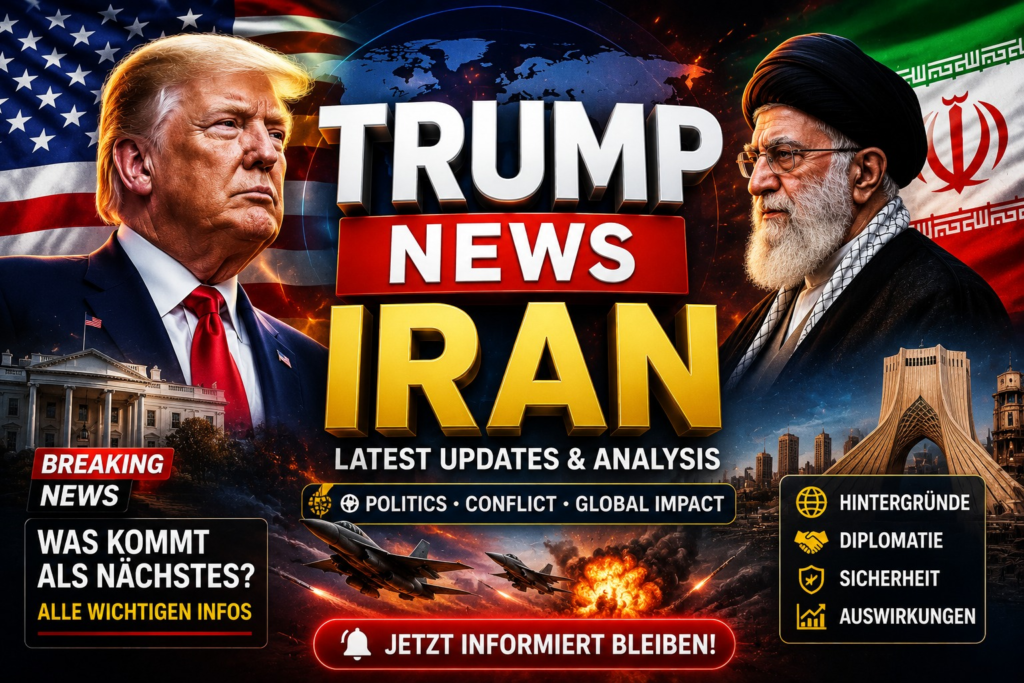
Public statements in trump news iran coverage are often maximal. “Over.” “Scum.” “Hit them hard.” The private track has been more measured. Indirect talks have continued through intermediaries even after the July breakdown. By early August there were reports of discussions involving Oman on shipping coordinates and renewed signals that neither side expects the fighting to last indefinitely. Trump has said the conflict cannot go on much longer and that petrol prices should fall once it ends.
That gap between rhetoric and process is normal in high-stakes bargaining. It does not guarantee success. Core disagreements remain: the status of any remaining nuclear work, the degree of Iranian control over Hormuz traffic, sanctions relief, and regional proxy activity. A durable arrangement would need to address those points in writing with verification. A temporary pause that only reopens shipping for a few weeks solves the immediate market problem but leaves the next flare-up ready to happen.
Expert observers who follow the region note that Iran’s new leadership after the early losses has strong incentives to demonstrate resolve at home while avoiding total economic collapse. The United States has incentives to keep energy markets functioning and to avoid an open-ended commitment that drains attention and resources. Those shared interests create space for deals, but only if both sides calculate that the current pain exceeds the cost of compromise.
Mistakes Worth Avoiding When Following the Story
First, treating every social-media post as policy. Statements set tone and sometimes signal intent, but operational decisions run through military and diplomatic channels that move more slowly.
Second, assuming the next move must be escalation or total peace. The pattern so far has been cycles of pressure, limited strikes, pauses, and talks. That intermediate zone can last longer than either side publicly admits.
Third, ignoring the secondary effects. Even when oil prices stabilize, insurance and freight rates can stay elevated. Those feed into consumer inflation with a lag. Watching only the front-month crude contract misses part of the picture.
Fourth, letting partisan framing replace the basic facts of geography and trade flows. The strait does not care about domestic politics in Washington or Tehran. Ships either move or they do not.
What to Watch in the Coming Weeks
Keep an eye on three practical indicators rather than the loudest quotes.
- Actual ship traffic numbers through the Strait of Hormuz. Public data and maritime tracking services give a clearer signal than statements.
- Whether temporary sanctions waivers or new restrictions appear. Those affect Iran’s revenue and the volume of oil reaching markets.
- Any concrete language from both sides on verification mechanisms for a longer ceasefire or shipping arrangement. Vague “talks continue” language is cheap. Specific coordinates, inspection rules, or timelines are harder to fake.
If those three move in a positive direction, the risk premium in energy markets should ease. If ship attacks resume or major new strikes hit energy infrastructure, the opposite happens quickly.
The Human Cost Behind the Headlines
It is easy to treat trump news iran as a strategic chessboard. Real people are paying the price. Iranian civilians have faced infrastructure damage and economic pressure. U.S. and regional service members have been killed or wounded. Shipping crews have sailed under threat. Families in oil-importing countries feel the higher costs. Any serious analysis has to keep that in view. Pressure campaigns and military action are tools, not ends in themselves. The measure of success is whether they produce a more stable arrangement or simply the next round of the same cycle.
Looking Ahead Without the Hype
The most likely path in the near term remains managed tension rather than total resolution or total war. Both sides have demonstrated the ability to inflict costs. Both have incentives to avoid uncontrolled escalation. The June memorandum showed that a temporary framework is possible. Its collapse showed how quickly trust evaporates when ships are hit. Future trump news iran developments will probably follow the same rhythm: pressure, limited military action, statements, and quiet contacts.
For readers who simply want to manage their own exposure, the practical stance is clear. Treat Gulf risk as a recurring factor in energy and shipping costs. Build a little flexibility into budgets and supply chains where possible. Follow the hard data on vessel movements and sanctions rather than the most dramatic quotes. And remember that the underlying drivers—energy chokepoints, nuclear concerns, and regional influence—will outlast any single news cycle.
The gas-station conversation that started this piece is not going away. As long as a large share of global oil moves through a narrow, contested waterway, trump news iran will keep showing up in ordinary lives. Understanding the mechanics behind the headlines is the best way to respond with less surprise and more preparation.